Why a clean ETA can still hide a transshipment delay
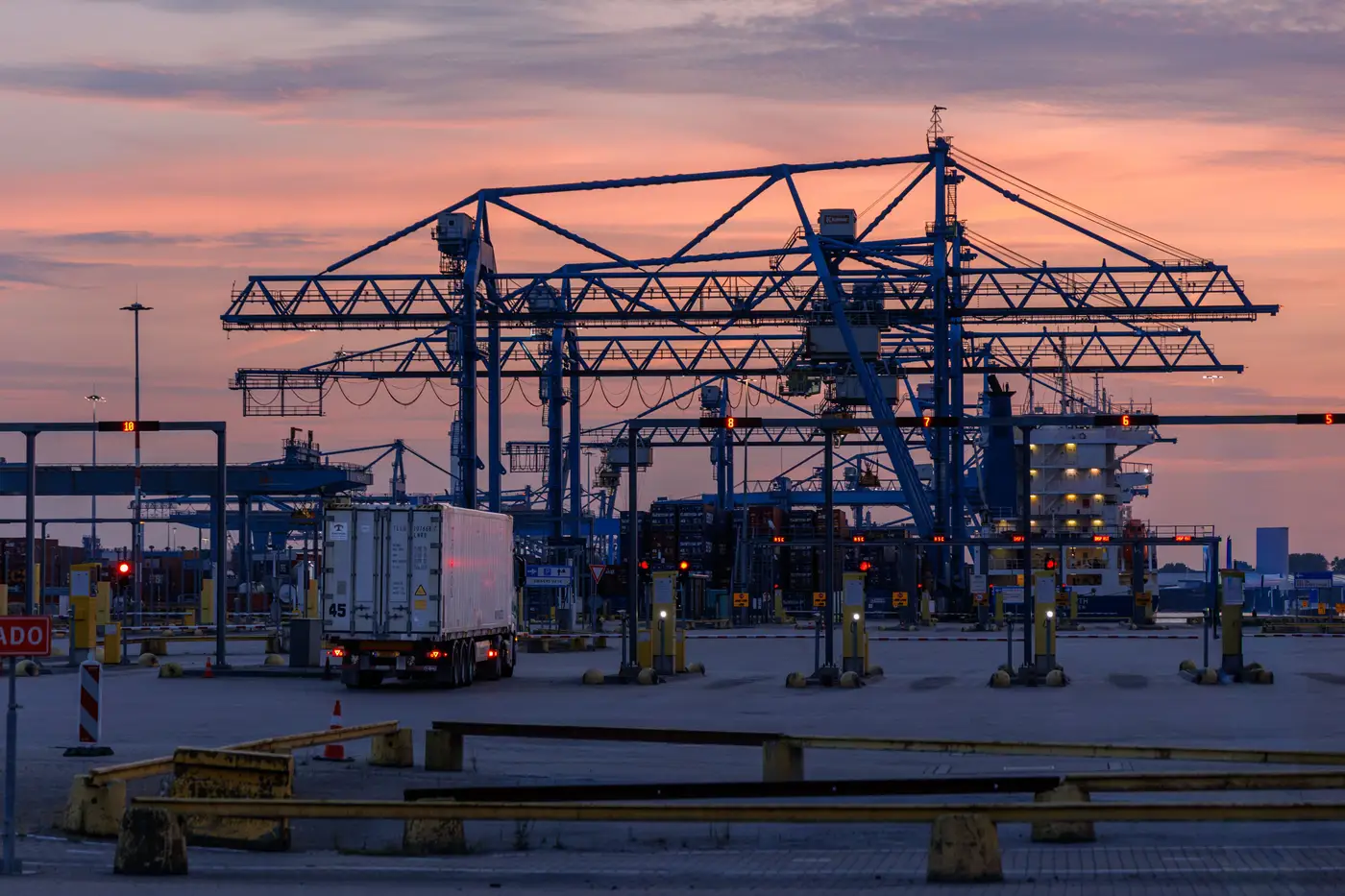
A booking confirmation almost always shows one ETA. One date, one line, clean. What it doesn't show is that the box is riding two vessels to get there, and the second one hasn't left yet.
That's the part a transshipment delay hides. The ETA on your confirmation is a calculation built from a schedule, not a live read on where your cargo sits. Schedules assume every connection gets made on time, and plenty of the time it doesn't.
What's happening between the booking and the hub
Most inbound lanes out of Asia and into North America or Europe don't run point to point. The box moves on a feeder vessel to a transshipment hub (Singapore, Colombo, Tanjung Pelepas, Busan, pick your lane) and then gets lifted onto a mainline vessel for the long leg. The ETA your forwarder quotes at booking is pulled from the mainline vessel's published sailing schedule, working backward from a departure date that assumes the feeder shows up in time to make the cutoff.
That's the whole mechanism, and it's only as reliable as the feeder's ability to hit its connection window. Feeder schedules are the part of the chain that slips first, because feeder vessels sit behind the same berth queues and yard congestion as everything else moving through that hub.
When the feeder is late, the box misses its mainline vessel connection. Carriers call this a rollover (sometimes "short-shipped" or "rolled cargo"). The container sits at the hub and waits for the next mainline sailing, which on a weekly service can mean a seven-day gap before the next booked slot even opens up, longer if that next sailing is already full.
Why your tracking screen doesn't show the slip until it's already happened
Here's where it gets expensive for planning purposes. Most track-and-trace feeds don't recalculate your ETA in real time against feeder performance. The ETA field stays pinned to the original schedule until the carrier posts a status update, and that update often lands after the rollover has already occurred, not before. You find out your box missed its mainline connection a few days later, usually when someone on your team notices the "last known location" hasn't moved in a week.
By the time that update hits your inbox, the delay is already baked in. You're not managing a risk anymore. You're reacting to one that already happened at a hub port you've never visited, caused by a feeder vessel schedule you never saw.
This is also why port congestion scores don't solve the problem. A congestion index for Singapore or Colombo tells you the hub is busy. It doesn't tell you whether your specific feeder-to-mainline connection on your specific lane is going to make its window, or whether it already missed it last Tuesday.
The number planners need
What matters for a replenishment plan or a customer promise date isn't "is the hub congested." It's "how many days is this lane running behind right now, for the shipments I have on the water." That's a lane-specific number, and it has to track vessel queues and dwell at the hub level, not just the headline port stats carriers publish.
Lead Time Risk was built around that exact gap, turning feeder queues and terminal dwell into a day-count estimate for the specific lanes you've registered, updated daily instead of after the carrier's status page catches up. Instead of a clean ETA that quietly assumes every connection holds, you get a number that already accounts for the ones that probably won't.
If you're tired of finding out about a rollover after your customer already called asking where their container is, that's worth a look.