What is a container rollover, and how many days does it add to your lane?
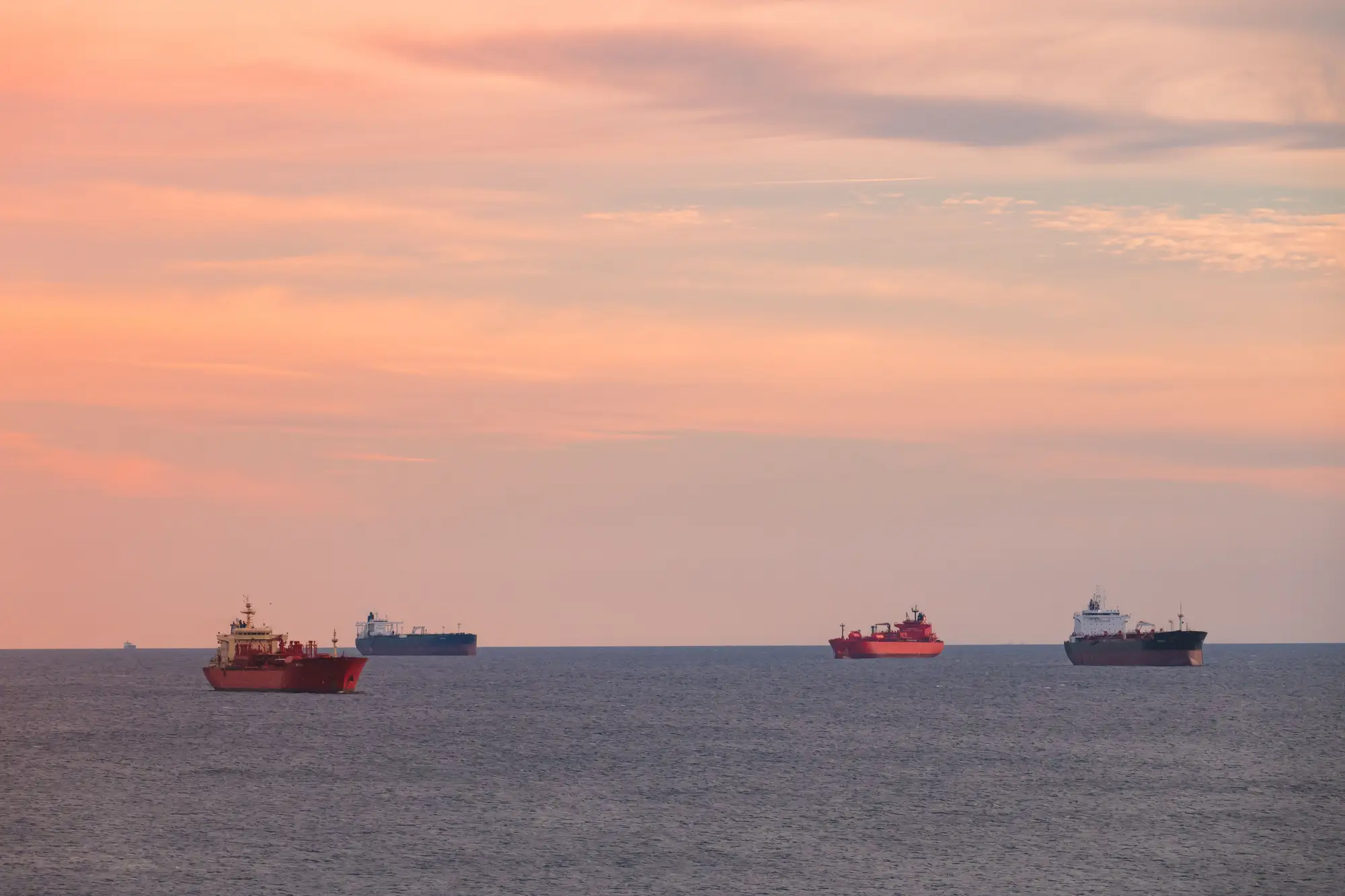
A rollover is what happens when your container is booked on a vessel, sits on the terminal apron with everybody else's, and then doesn't load. The carrier rolls it to the next sailing instead. Your cargo didn't miss the ship because of a mistake on your end. It got bumped.
Ocean carriers overbook space the way airlines overbook seats, because no-shows and short-shipped bookings are normal. When a string is running full, or a port call gets omitted, or the carrier needs to prioritize higher-paying freight or transshipment cargo, something has to give. Lower-priority bookings, including a lot of regular FCL freight moving on standard rates, are what gets left on the dock. That's the rolled container meaning in plain terms: booked, loaded nowhere, waiting for the next ship.
How many days a rollover actually costs you
This is the part that trips up a lot of planners. A rollover isn't a flat penalty. The number of days it adds depends entirely on what the next available sailing looks like on that specific string.
If your lane runs weekly and the next vessel has space, you might only lose five to seven days. If the carrier blanks a sailing that week, which happens more on strings that are running under capacity or during slower demand periods, you're looking at the week after that instead, and now you've stacked two gaps together. If your container gets rolled twice in a row, which does happen when a string is consistently over capacity, you can end up two or three weeks behind the original ETA before it ever reaches the transshipment hub, let alone your discharge port.
None of this shows up as one clean number. It shows up as whatever the next sailing schedule happens to be for that carrier, on that string, in that week. That's why "bumped from vessel ocean freight" complaints on forwarder forums are all over the map on timing. A rollover on a thin, infrequent lane costs you a lot more than the same rollover on a lane with daily or near-daily departures.
Why rollover risk is uneven across lanes
Rollovers aren't random across your whole network. They cluster on specific strings and specific weeks. A carrier running a transpacific loop that's chronically overbooked is going to roll cargo more often than a carrier with spare capacity on the same trade lane. A string that routes through a congested transshipment hub picks up rollover risk at the hub too, on top of whatever happens at origin.
If you've shipped the same lane for a year or two, you probably already have a gut feel for which carriers and which strings tend to bump freight. The problem is that gut feel doesn't tell you this week. Utilization on a given string can swing from comfortable to overbooked in a matter of sailings, and the booking confirmation you hold in hand today doesn't reflect what the vessel looks like when it's time to load.
What to do with that uncertainty
Most planners handle rollover risk the same way they handle congestion risk generally: pad the lead time and hope it's enough. The trouble is a flat pad either eats margin on lanes that are running fine, or isn't big enough on the lane that's about to get hit. You end up either over-ordering safety stock across the board or getting caught short on the one lane where it mattered.
Treat rollover and dwell risk as something you track per lane, with its own number, instead of folding it into one company-wide buffer. Lead Time Risk builds a daily slip-day number for the inbound lanes you've registered, based on vessel queues, terminal fill and yard dwell on that specific lane, so you can see when a lane is running behind before the booking confirmation turns into a rollover notice.
If rollovers keep blindsiding the same lane month after month, that lane is probably telling you something the schedule PDF never will. Put it on the register and see what the slip-day number says before your next booking goes in.