Vessel bunching vs port congestion: what's actually different
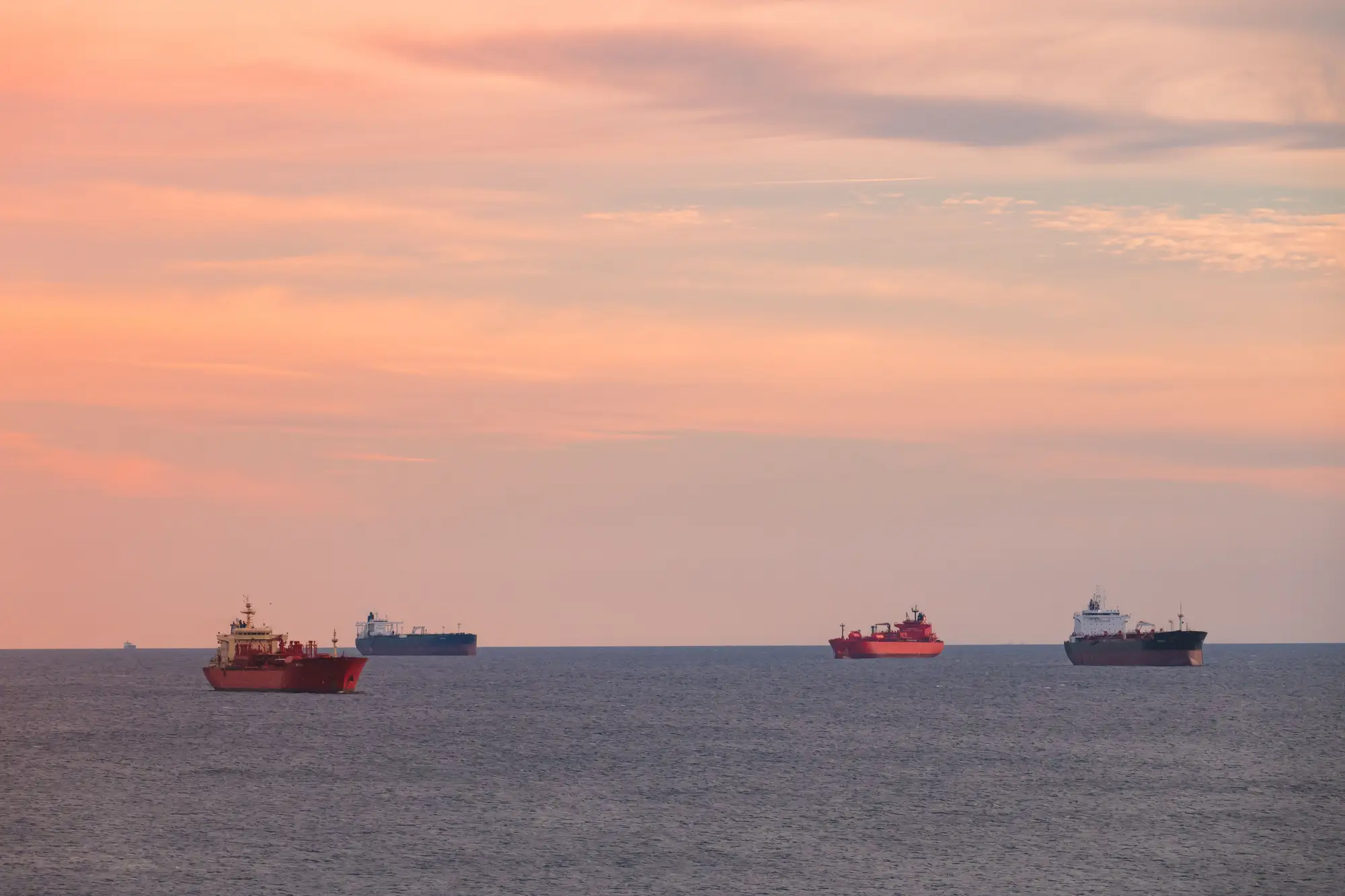
Two terms get used interchangeably on carrier advisories and terminal bulletins, and that's part of why lead-time estimates come out wrong more often than they should. Vessel bunching and port congestion describe different things. Knowing which one is hitting your lane changes how many days you should pad, and for how long.
What vessel bunching is
Vessel bunching happens upstream of the berth. It's a scheduling problem: multiple vessels, often sharing a string or an alliance loop, arrive at a port within a tight window instead of spread out evenly across the week. A typhoon closes a strait for three days, and four ships that would have arrived four days apart now show up on the same tide. Or a carrier blanks an earlier sailing in the rotation, the next vessel picks up extra boxes and extra port time, and its ETA slides into the window of the ship behind it.
The result is a queue. Ships sit at anchor or drift offshore waiting for a berth slot that was never built to handle five arrivals in two days. Bunching is caused by the schedule, not the terminal. The yard behind it might be running clean on any other week.
What port congestion is
Port congestion is a terminal-side capacity problem. The yard is full, container dwell has crept up because truckers aren't pulling boxes fast enough, chassis are short, gate labor is thin, or customs holds have backed up the stack. Congestion can exist with a perfectly even arrival schedule and no bunching at all. It shows up as slow gate turn times, free time running out before cargo moves, and vessels sitting at berth longer than planned because the yard can't absorb the discharge fast enough to keep the cranes working.
So bunching is an arrival-side event. Congestion is a yard-and-gate condition. They often show up together, because a bunched arrival window dumps more containers into a yard that was already tight, and that's usually when a two-day queue turns into a nine-day one. But each one shows up alone often enough to matter. A single vessel can arrive right on schedule and still sit at anchor for a week because the terminal hasn't cleared yard space from the ship before it. And a terminal running a clean yard can still see three ships queue up offshore because a storm bunched their arrivals, with no backlog once each one gets a berth.
Why the distinction matters for your lead time
Pad a lead time with one flat number for "port delays," and you're treating a four-day bunching event the same as a three-week yard backlog. They clear on different timelines. A bunching event usually works itself out within a week or two once vessels take their turn at the berth. A yard-capacity problem can run a month or more if the cause behind it, a labor shortage or a chassis pool shortfall, hasn't actually resolved.
That's the gap a general port congestion score doesn't close. A number that averages anchor-wait conditions across a whole port tells you the port is busy. It doesn't tell you if your vessel's arrival window happens to land inside a bunching spike, or if the terminal your cargo discharges at has had a yard stuck at capacity for six weeks running. Those call for different numbers of days on your lead time, and sometimes for no padding at all.
Lead Time Risk tracks vessel queue position, terminal fill, and yard dwell on the specific lane you've registered, and turns that into an expected slip in days instead of a general busy-or-not read on the port. If you want to check how a lane you ship on is tracking instead of guessing, that's what it's built for.
Register the lane and get a slip-day number instead of padding every shipment by a guess.