Chassis shortage vs yard congestion: what's actually slowing your pickup
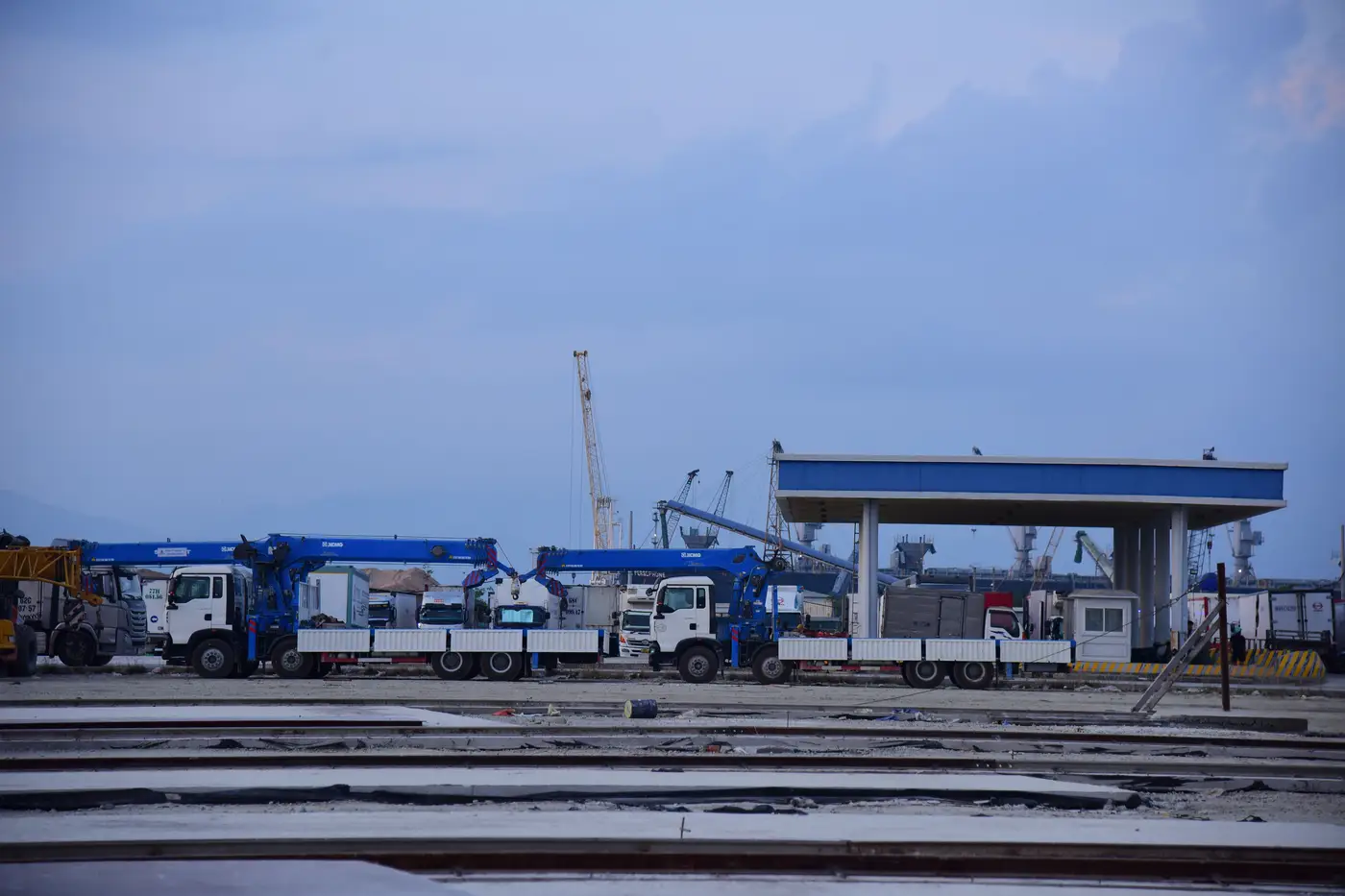
A container sits on a vessel that cleared berth four days ago, and your dray line still can't get an appointment to pick it up. Somebody on your team says "chassis shortage." Somebody else says "yard's a mess." Both might be right, and figuring out which one it is matters, because the fix for each is different and the slip it causes doesn't look the same on your lead time.
What a chassis shortage looks like
A chassis shortage means the container is reachable, but there's nothing to put it on. This usually shows up when a pool runs lean during a volume surge, when gray chassis from one IEP (equipment provider) aren't interchangeable with another pool's terms, or when street turns and per diem rules push drivers to drop and go instead of holding equipment. Your dray line can confirm this fast: they'll tell you they had a driver ready and a booked appointment, but got turned away or delayed at the chassis yard because the pool was tapped out. The container itself may have been sitting ready-for-pickup the whole time.
The tell is that your appointment window exists and still gets missed, because the cause sits with your dray line's access to equipment.
What yard congestion looks like
Yard congestion is a different animal. Here the container is physically buried, stacked under other boxes, or the terminal is running at a fill level where the crane can't get to your unit without a reshuffle. This is the one tied to vessel bunching: three ships discharge back to back, the yard density spikes, and dwell time climbs across the board. The terminal operating system starts throttling appointment slots because it can't physically process more trucks than the yard can turn. You'll see this as a terminal gate hold, where the appointment itself gets pushed out days because the slot grid tightens, not because your truck lacks equipment.
The tell here is the appointment system itself. Slots dry up, get capped, or move further out, and it's happening to everyone booking that terminal, not just your loads.
How to tell which one is hitting you
Ask your dray line one question: was there an open appointment slot and no chassis, or no open slot at all? If drivers are bobtailing to the chassis yard and coming back empty, that's the pool. If your freight forwarder or terminal portal shows appointment slots pushed out across the board, that's yard fill. Checking both takes a phone call and a login, but most planners only find out after the pickup has already slipped, because nobody was tracking vessel queue and yard fill for that specific terminal before the ship even came in.
That's the gap. Dwell and fill numbers exist inside the terminal's own systems well before your container hits the ground, and vessel queue length tells you whether a congestion spike is coming days out. Lead Time Risk turns that into a daily slip-day number for the inbound lane you run, so you know the pickup is going to run two or three days behind before your dray line calls to tell you.
Why the distinction changes what you do next
If it's a chassis shortage, the lever is operational: switch pool providers if your contract allows it, pre-position gray chassis, or shift to a dray line with its own equipment. If it's yard congestion, none of that helps. The container is stuck behind terminal throughput limits, and the only real lever is time, either padding the pickup window or rerouting future bookings away from that terminal during the surge. Treating a congestion slip like an equipment problem wastes a phone call; treating a chassis problem like a congestion issue means you wait out a delay you could have solved in a day.
Most drayage delay doesn't come from one cause running the whole year. A lane runs clean for weeks, then a chassis pool runs dry for ten days, then a vessel bunch backs up the yard for another two weeks. Knowing which one you're in, on the specific lane you depend on, is the difference between a one-day fix and a week of guessing.
Register the lanes you run and start seeing the slip-day number before the appointment gets pushed.